Diablo IV
I joined Blizzard working in feature systems, but dabbled a bit in combat and helped with class and legendary design where I could. In addition to the below, I pitched and made several legendary powers, did a number of technical design tasks, managed the wardrobe system, and served as a mentor for junior systems devs and liaison for monetization efforts.Rewards Map
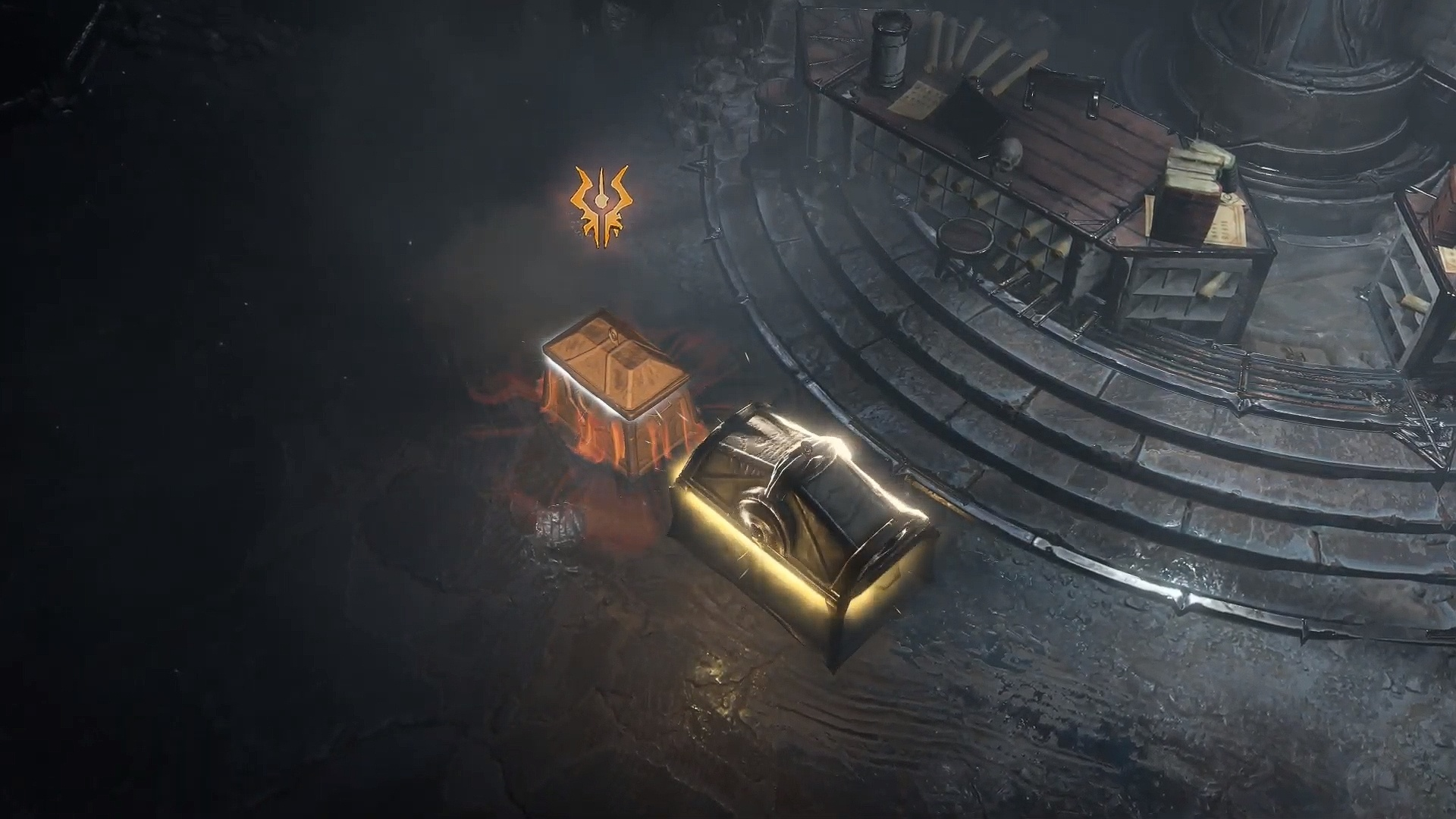
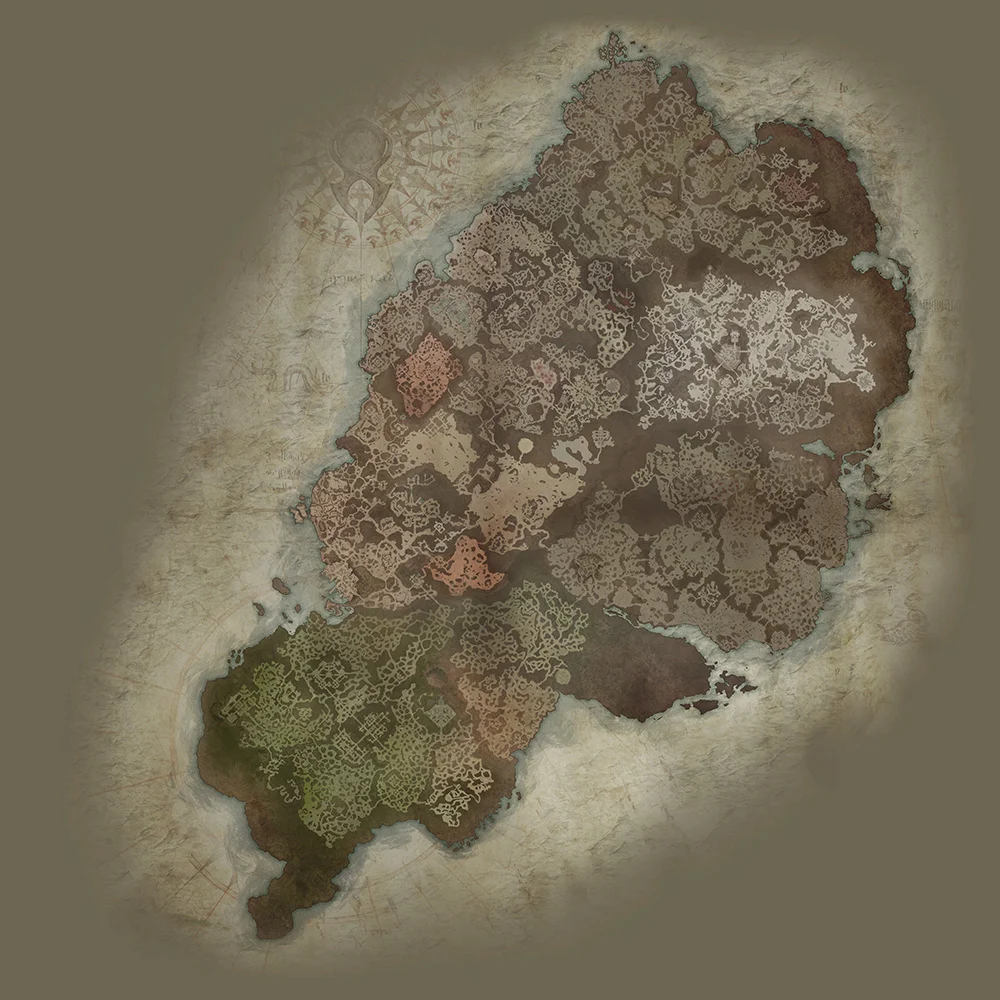
I was asked to handle the Reward Map, a focused design for placement and weight of all items, item types, materials, and currencies throughout the game. Material distribution is more obvious, but item types are more or less common by enemy faction as well, and some activities - helltides, world bosses, and nightmare dungeons in particular - have bonus item power on their equipment rolls or distinct and intentional loot only gotten from those activities.This would naturally feed into either directly designing loot distribution during an odd-numbered season or providing strong advisement for loot distribution in even-numbered seasons.
Ownership of the rewards map also led naturally to finding means by which we could curtail infinitely spawnable farming events.
Player Titles & Achievements
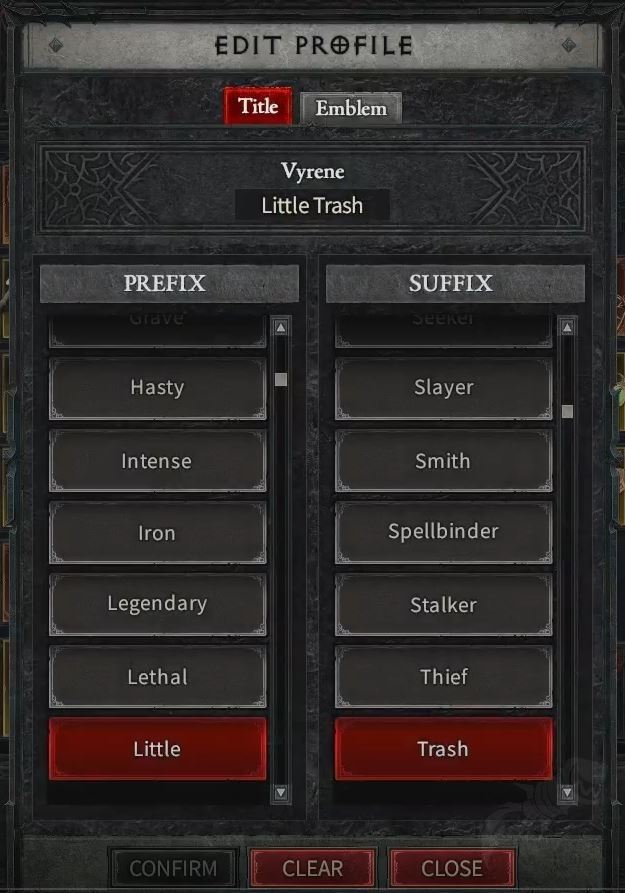
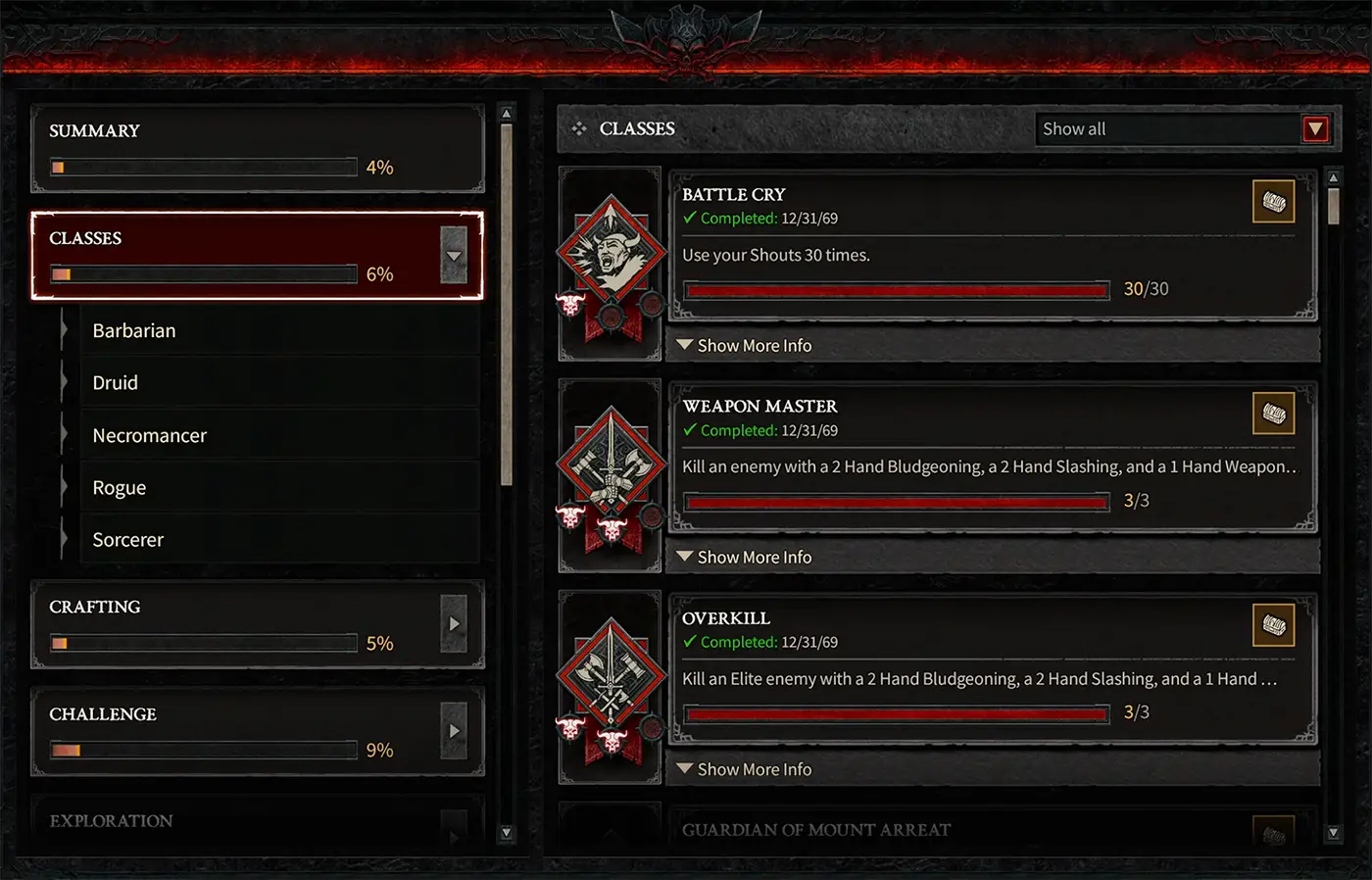
I designed the title system as a core player identity feature, and titles are displayed under the player's name at all times in world, in party interface, and so on. We had special care to keep title prefixes and suffixes suitable to the fiction and tone of Sanctuary, permitting a little silliness but not permitting anything that could be used as hate speech. I also wrote the overwhelming majority of title components, with support from the excellent writing staff of Team 3.Titles, and most cosmetic rewards, are granted by achievement data so as part of this I worked with a small focus group to concretely design how we would structure all such reward-granting architecture and was one of the parties designing seasonal challenges for battle pass progress. I was also the person on call for all marketing event data, such as the title grants for being tattooed at the Inked events, or collaborations with other merchants (like KFC).
Crafting & Enchanting
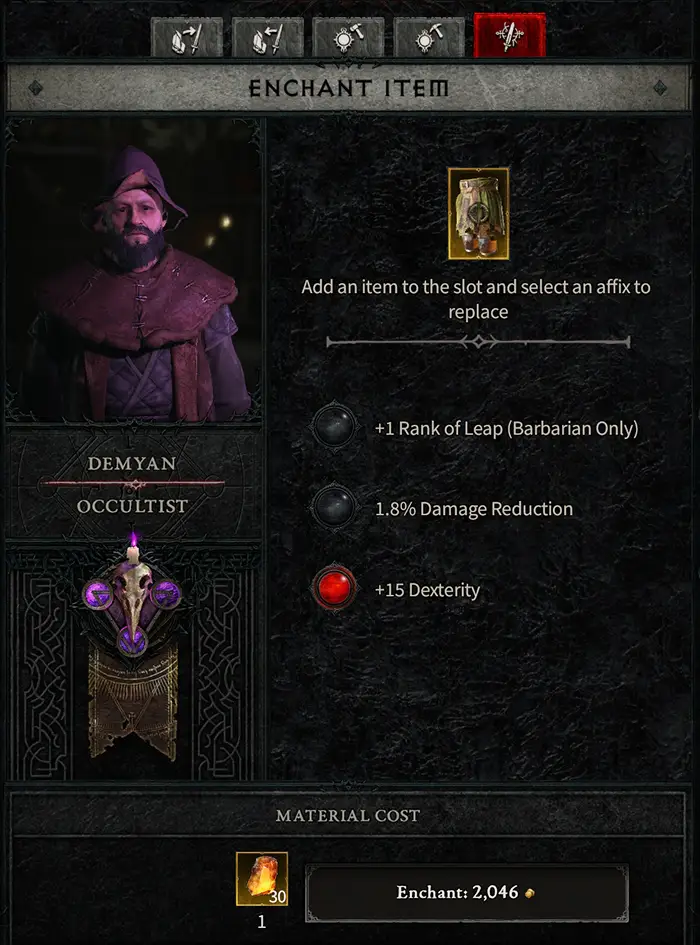
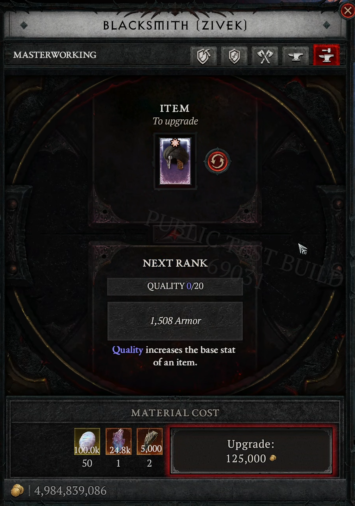
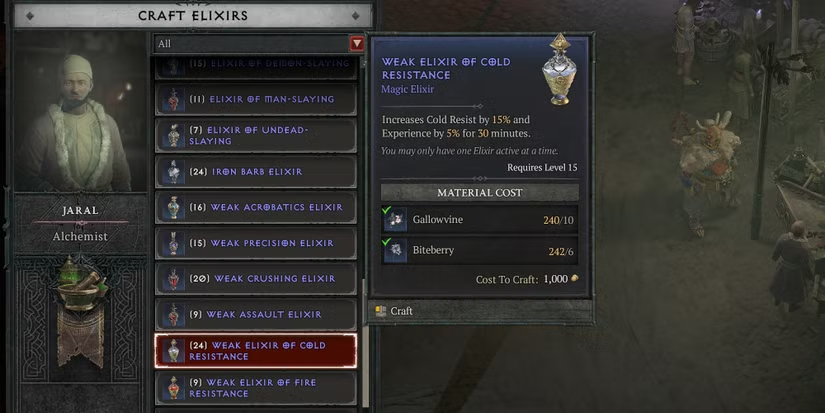
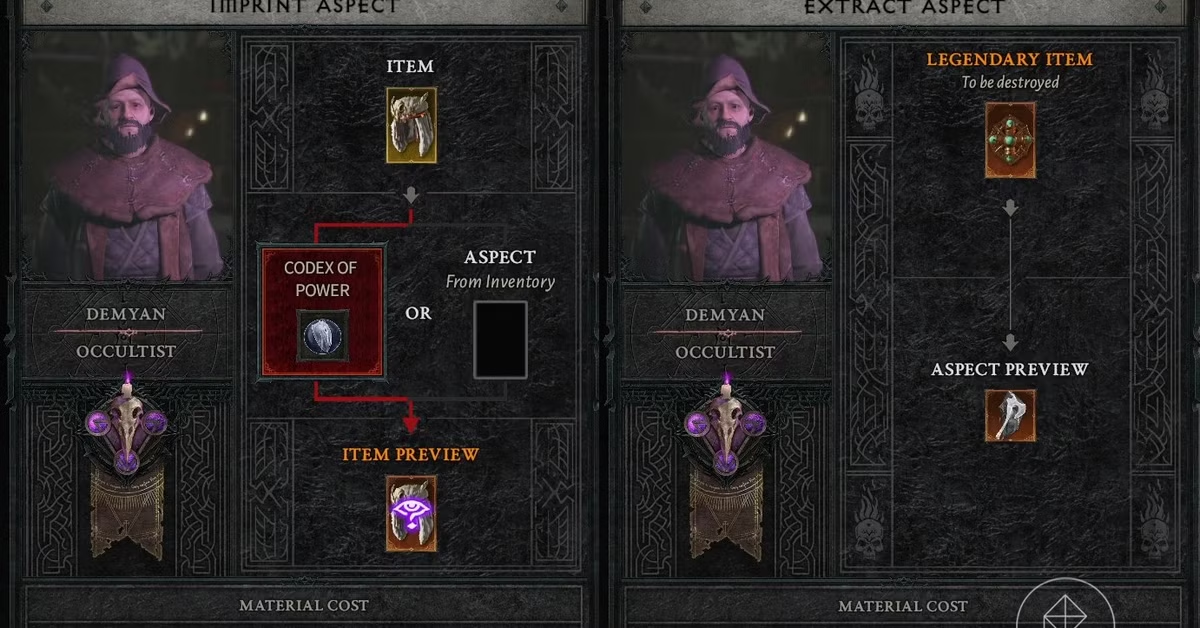
I joined the project in a state of extreme flux and was asked to assume ownership of all existing crafting systems and rationalize and extend them. We had numerous craft systems from prior versions of the project that needed overhauls and, in some cases, to be cut entirely.Initially this was an extensive audit of the Alchemist, Occultist, and Blacksmith, and an examination of features from prior games to be earmarked for inclusion, such as Enchanting to reroll item features. As we moved on towards launch this also included masterworking - pushing items towards their highest potential - and included seasonal crafting as well.
Seasonal Skeletons & Seasons 1 & 3
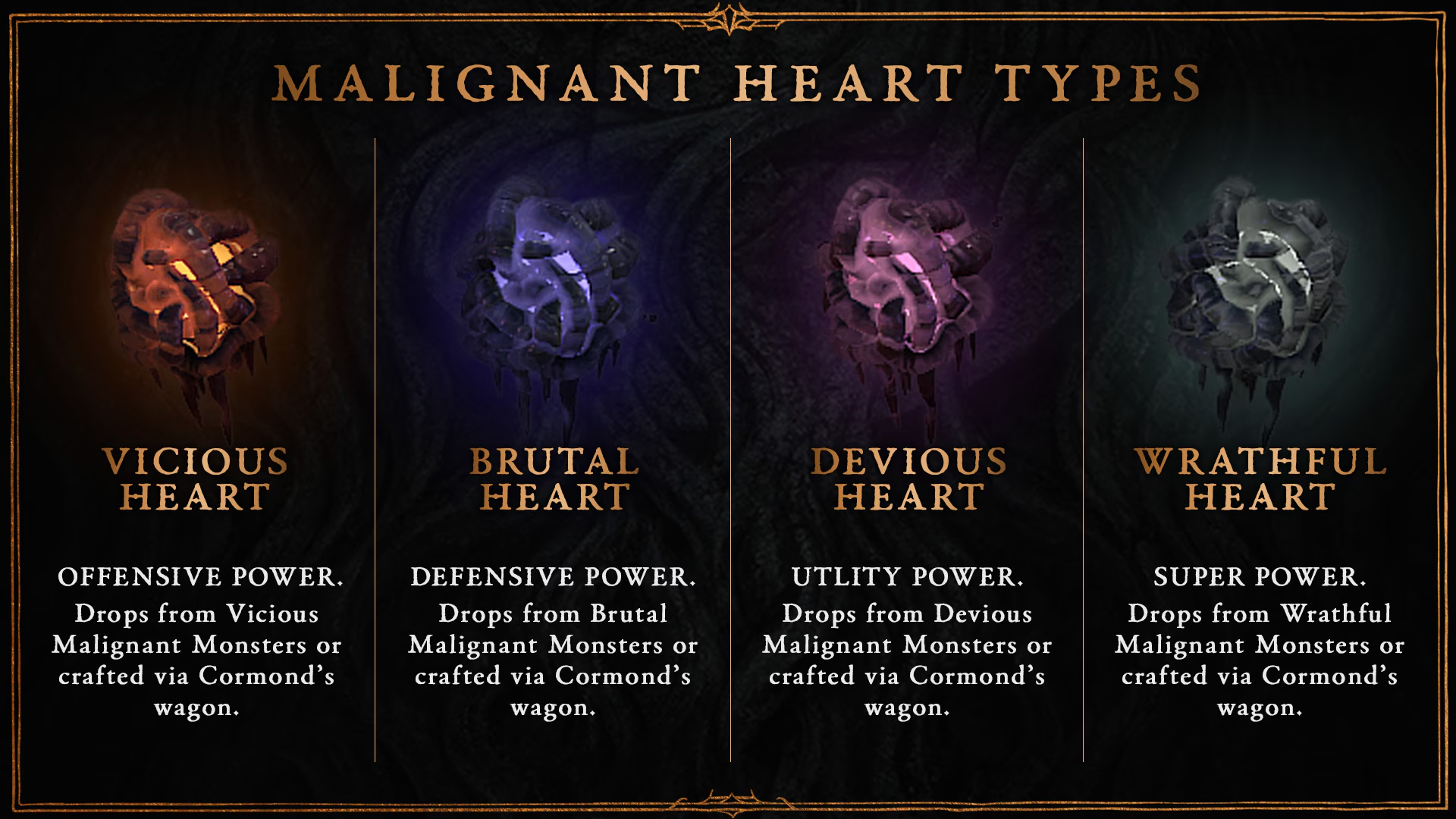
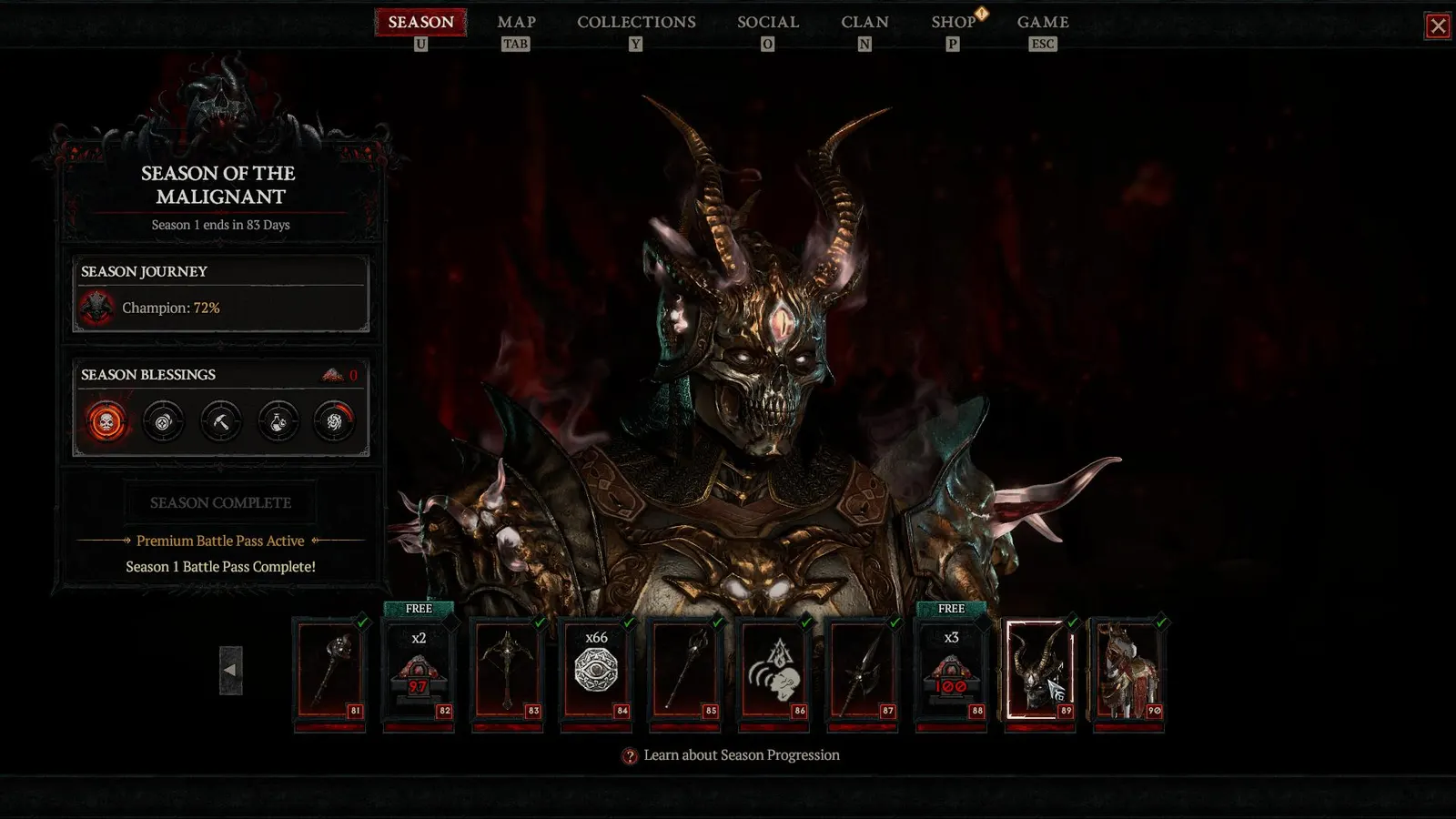
As we pushed toward launch, I joined the Seasons taskforce to define data architecture and best practices moving forward into seasonal and live service development, due to my experience working in a quarterly release cadence on ESO for years. As part of this I designed the seasonal data container and flag system, which would eventually enable seasonal features to either be always-on or be remixed into lighter lift systems.For Season 1, I handled managing architectural data for a great deal of overland seasonal content shifts, and defined seasonal crafting and loot data and templates while building and tuning the capture events for malignant creatures' hearts.
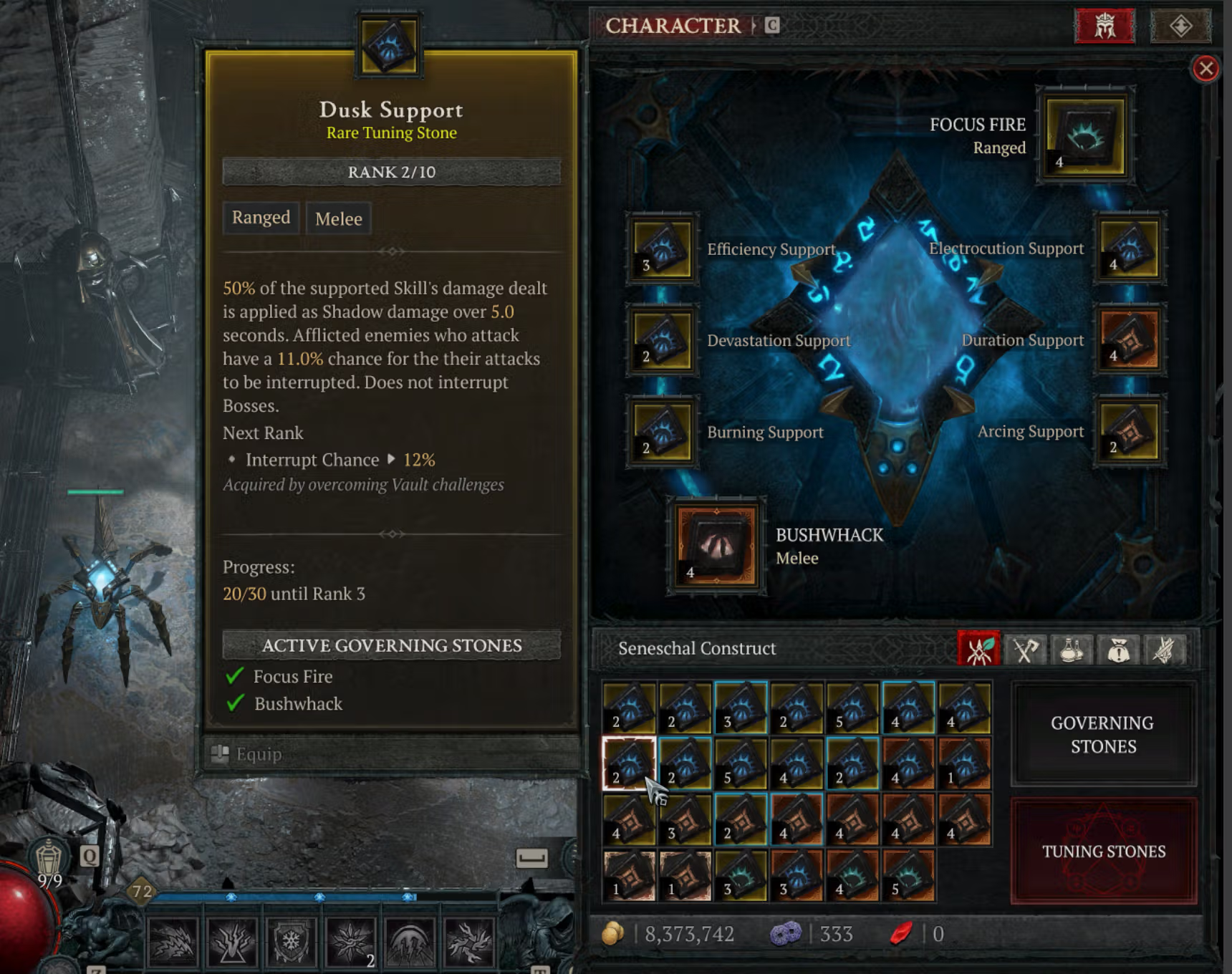
For Season 3, I worked to keep an ambitious creature companion (the Construct) design shippable and streamlined yet still compelling, and introduced challenge-scaling loot structures within the new Vault dungeon type.